Our wool in comparison
Discover the differences between camel wool, sheep wool and yak wool.
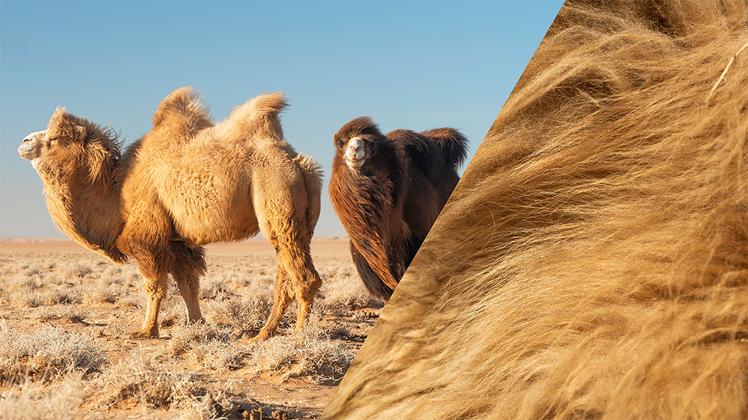
The properties of Camel wool
The fibers of the Camel wool are thinner than those of Sheep wool and thus softer. At the same time, they possess all the characteristics that distinguish wool: camel wool is breathable, temperature-regulating, and odor-resistant..
Camel wool has a long tradition in textile manufacturing due to its high quality and skin-friendly properties. We do not recommend wearing camel wool socks in shoes due to their lower durability.
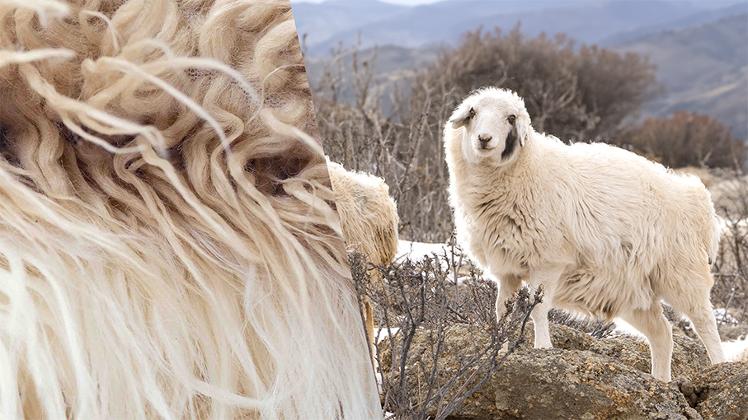
The properties of Sheep wool
Sheep wool is warm and insulating, but at the same time breathable and moisture-regulating. This means that it is able to wick moisture away from the skin and keep the body warm and dry.
In addition, Sheep wool is durable and resistant to wear and tear, making it well suited for clothing that is worn frequently. It also has natural antibacterial properties that help reduce unpleasant odors.
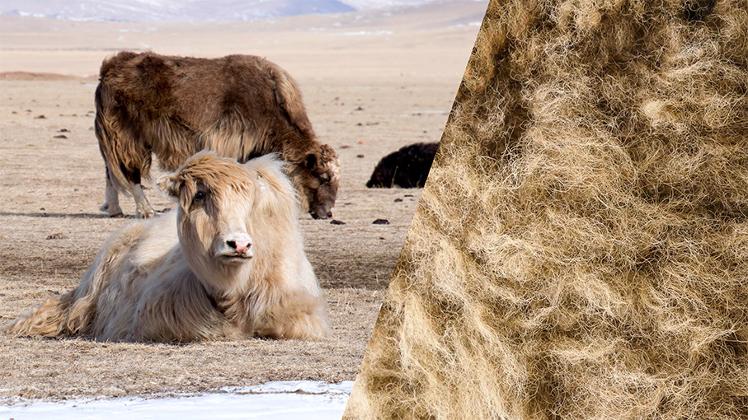
The properties of Yak wool
Yak wool is one of the rarest and most valuable types of wool in the world and is obtained from the hair of yaks. The fine undercoat keeps the animals warm in high mountains and extreme cold. Yak hair provides excellent insulation, as it stores body heat in the chambers between the fibers.
Yak wool is particularly skin-friendly and therefore well tolerated by people with allergies. Yaks are not shorn, but combed – which is why the wool is as fine as cashmere wool. However, Yak wool rips faster with repeated friction. We therefore advise against wearing yak wool socks in shoes.